Pakistan's Most
Extraordinary Places

From a 4,500-year-old urban civilisation to the world's finest surviving Buddhist monasteries and Mughal fortresses — all in one country.

6

UNESCO World Heritage Sites in Pakistan

Pakistan holds six of UNESCO's most significant cultural World Heritage designations — more than most European countries, yet visited by a fraction of the tourists. Every one of them is accessible and extraordinary.

Archaeological Ruins at Mohenjo-daro
Buddhist Ruins of Takht-i-Bahi
Taxila (three clusters)
Fort & Shalamar Gardens, Lahore
Rohtas Fort
Historical Monuments at Makli, Thatta
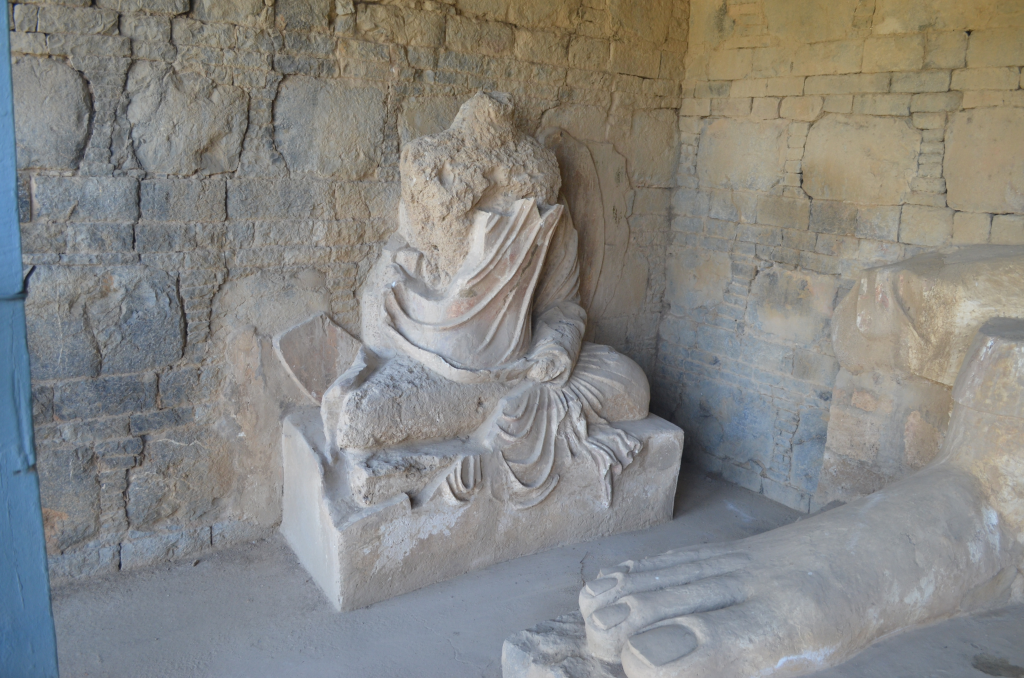
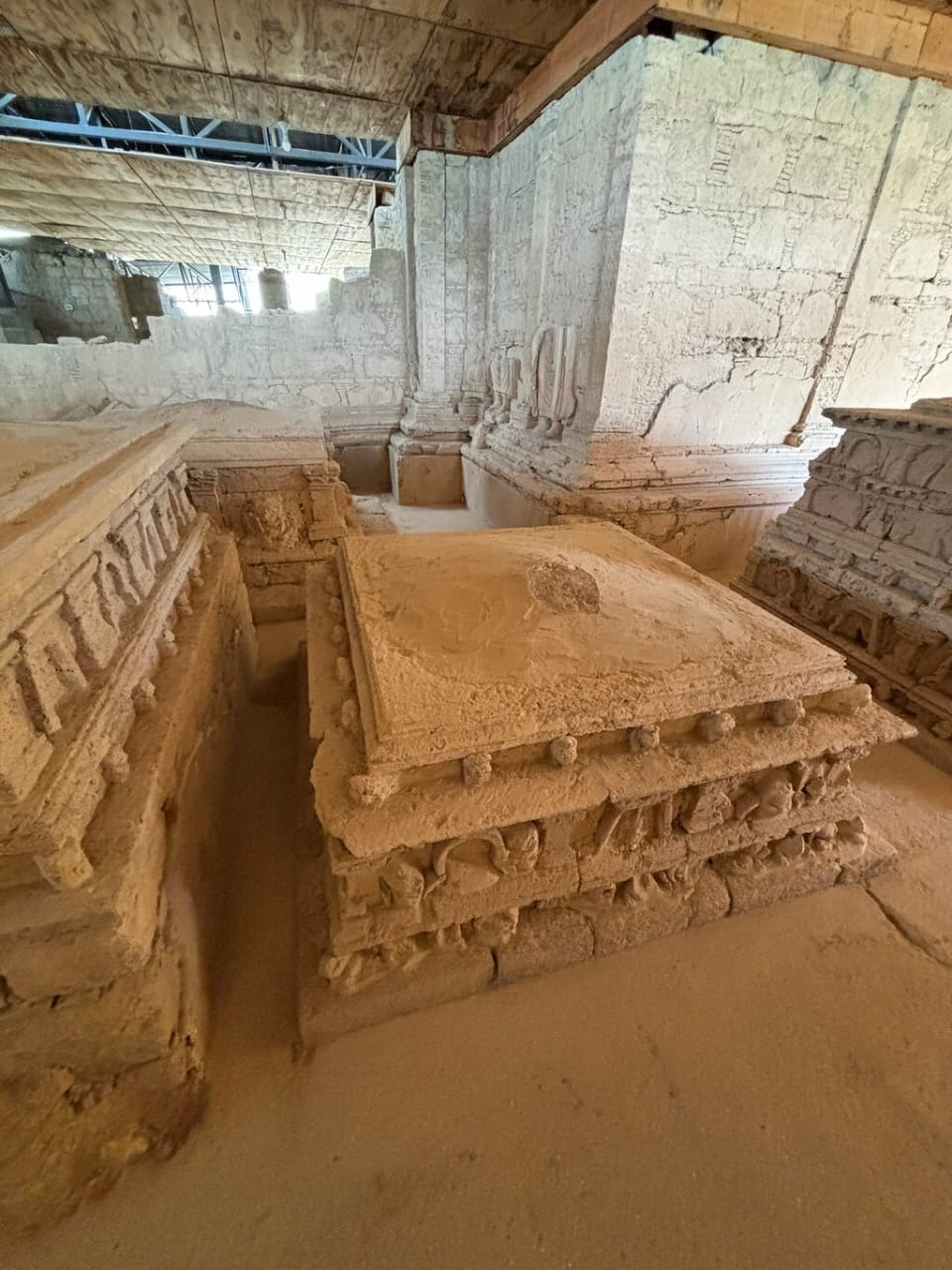
Jaulian Monastery at Taxila — Buddhist stupa courtyard with carved votive stupas
UNESCO · 1980
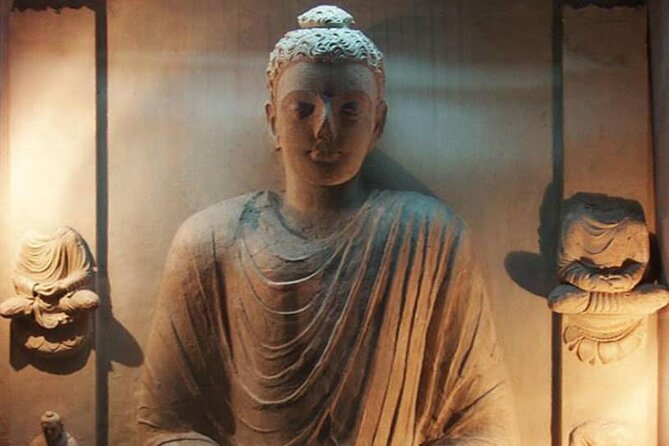
Taxila Jaulian Monastery detail — Buddha niche carving
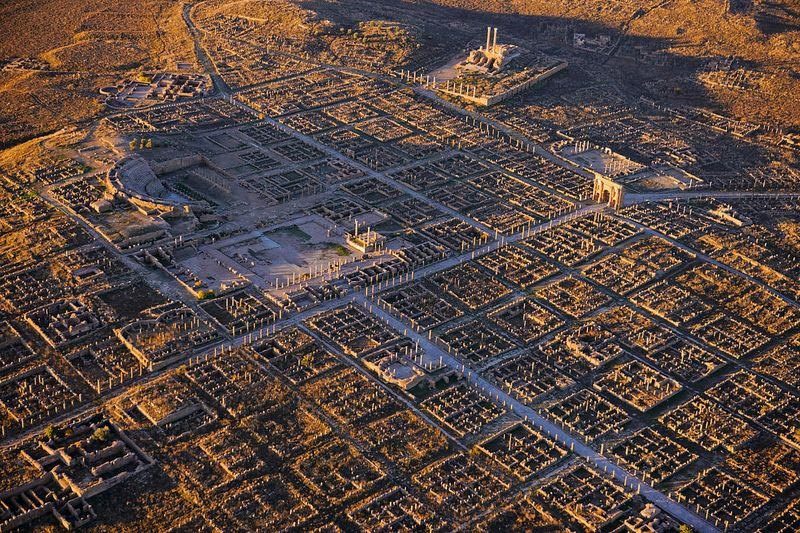
Sirkap excavation — Taxila's Indo-Greek city grid
Taxila Jaulian Monastery detail — Buddha niche carving
Sirkap excavation — Taxila's Indo-Greek city grid
UNESCO World Heritage Site

Taxila

Pakistan's Greatest Archaeological Landscape · 600 BCE – 500 CE

Taxila is not one site — it is a 30 square kilometre archaeological landscape containing the ruins of three successive cities and at least twelve major Buddhist monasteries, stupas, and temple complexes. It was the most important centre of Buddhist scholarship in the ancient world.

Alexander the Great arrived in 326 BCE. The Indo-Greeks, Kushans, and Guptas all built here. Taxila was the Oxford of ancient Asia — Chanakya, the author of the Arthashastra, studied and taught here.

Period600 BCE – 500 CE
UNESCO Listed1980 · Cultural Heritage
Location32 km NW of Rawalpindi, Punjab
Key SitesSirkap, Jaulian Monastery, Dharmarajika Stupa, Taxila Museum
CivilisationsAchaemenid · Indo-Greek · Mauryan · Kushan · Gupta
UNESCO Heritage Buddhist Civilisation Gandhara Art Alexander's Route

Visitor Information

Best Season
October – March
Recommended Days
2–3 days minimum
Opening Hours
Sunrise to Sunset
Entry Fee
PKR 500 foreigners
Book Taxila Tour
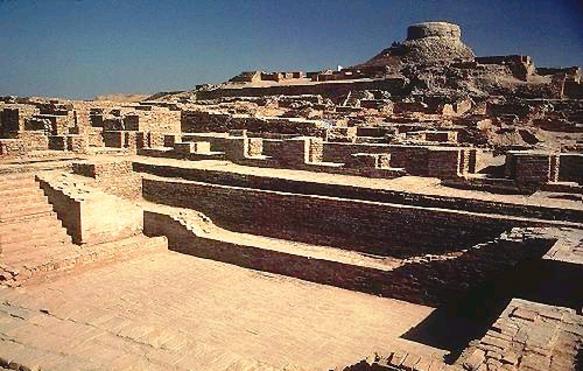
Mohenjo-daro ruins — the Great Bath and surrounding structures of the ancient city
UNESCO · 1980
Mohenjo-daro streets — planned city grid of the Indus Valley Civilisation
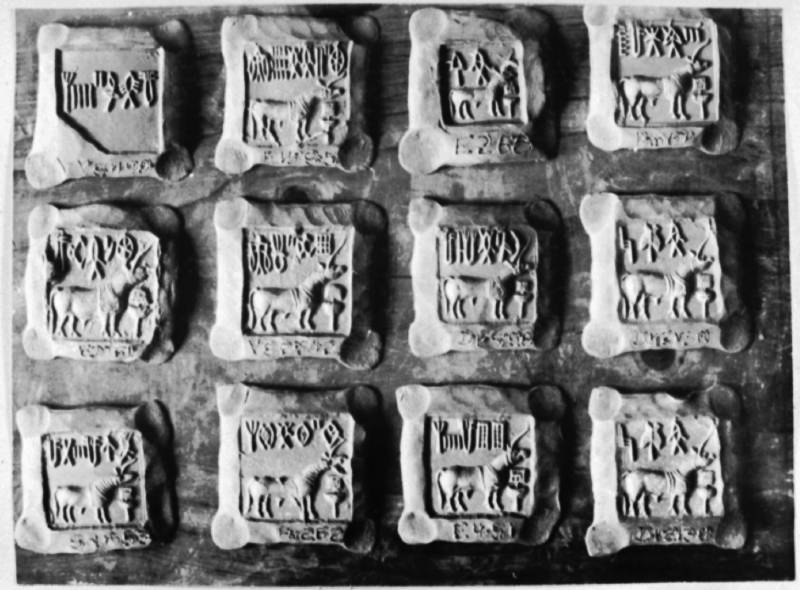
Indus Valley artefacts — seals and weights from Mohenjo-daro excavations
Mohenjo-daro streets — planned city grid of the Indus Valley Civilisation
Indus Valley artefacts — seals and weights from Mohenjo-daro excavations
UNESCO World Heritage Site

Mohenjo-daro

The World's First Planned City · 2500–1900 BCE

Built in 2500 BCE, Mohenjo-daro was the world's first planned city — with straight streets, brick houses, a sophisticated sewage system, and the world's earliest known public swimming pool. At its peak it housed 40,000 people.

The Indus Valley Civilisation it anchored covered 1.25 million square kilometres — larger than Mesopotamia and Egypt combined, yet it remains the least-known of the world's founding civilisations.

Period2500 – 1900 BCE
UNESCO Listed1980 · Cultural Heritage
LocationLarkana District, Sindh
SignificanceFirst planned city · Earliest urban sanitation · Bronze Age peak
UNESCO Heritage Indus Valley Bronze Age World's Oldest City Planning

Visitor Information

Best Season
November – February
Recommended Days
1–2 days
Getting There
Flight to Mohenjo-daro Airport
Entry Fee
PKR 500 foreigners
Book Mohenjo-daro Tour
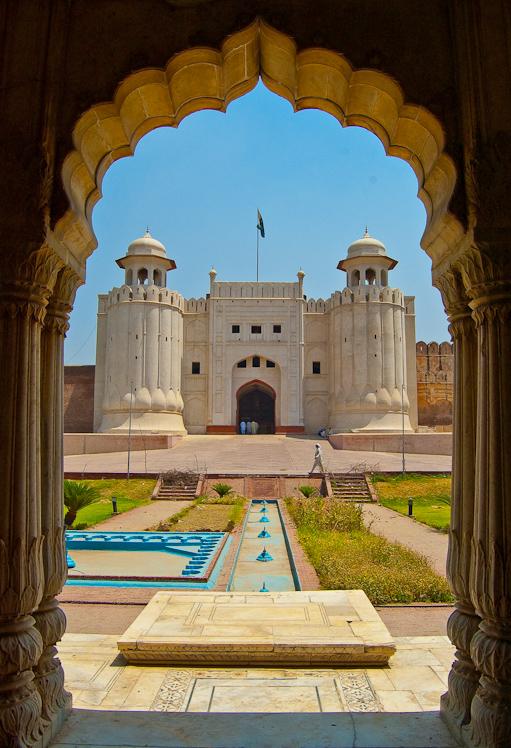
Lahore Fort — the Alamgiri Gate and Mughal fortification walls at sunset
UNESCO · 1981
Lahore Fort interior — Mughal palace buildings
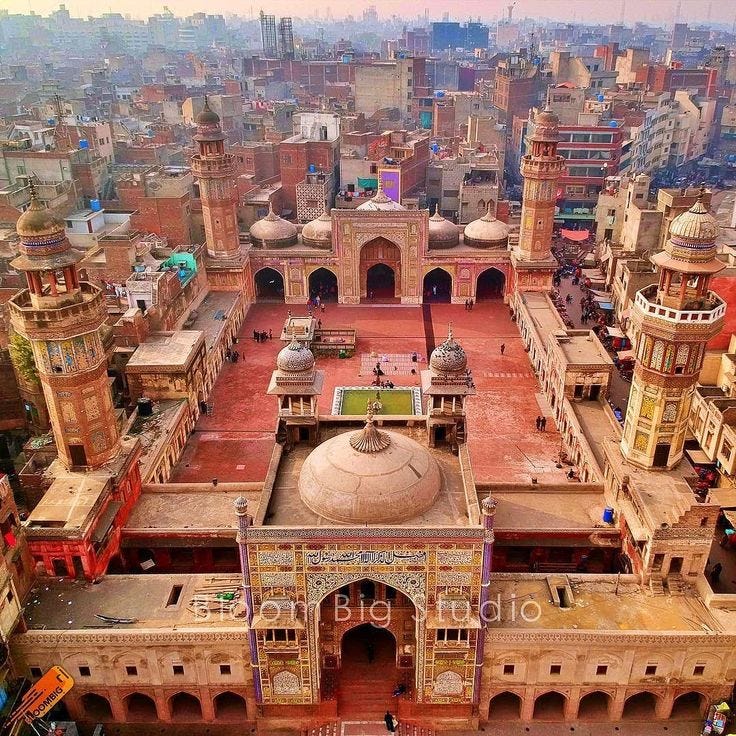
Wazir Khan Mosque — the most ornate Mughal mosque in the world
Lahore Fort interior — Mughal palace buildings
Wazir Khan Mosque — the most ornate Mughal mosque in the world
UNESCO World Heritage Site

Lahore Fort

The Mughal Empire's Greatest Fortress · 1566 CE

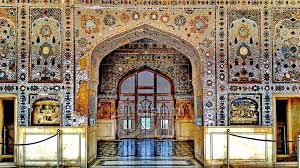
Lahore Fort — Shahi Qila — was the seat of Mughal power for over two centuries. Every great Mughal emperor from Akbar to Aurangzeb built here. Its 21 monuments include the Sheesh Mahal (Palace of Mirrors), Diwan-e-Aam, and the extraordinary tiled Picture Wall — 140m of the finest faience work in Asia.

Period1566 CE – ongoing (active heritage)
UNESCO Listed1981 · Fort & Shalamar Gardens
LocationWalled City, Lahore
EmperorsAkbar · Jahangir · Shah Jahan · Aurangzeb
UNESCO Heritage Mughal Empire Islamic Architecture

Visitor Information

Best Season
October – March
Recommended Days
2 days (Fort + Walled City)
Opening Hours
08:00 – 18:00
Entry Fee
PKR 500 foreigners
Book Lahore Tour
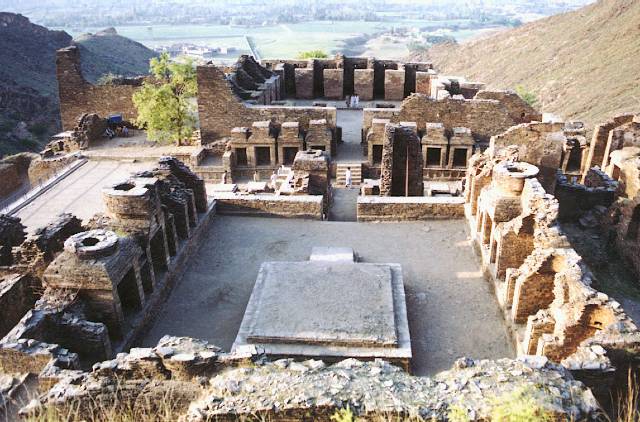
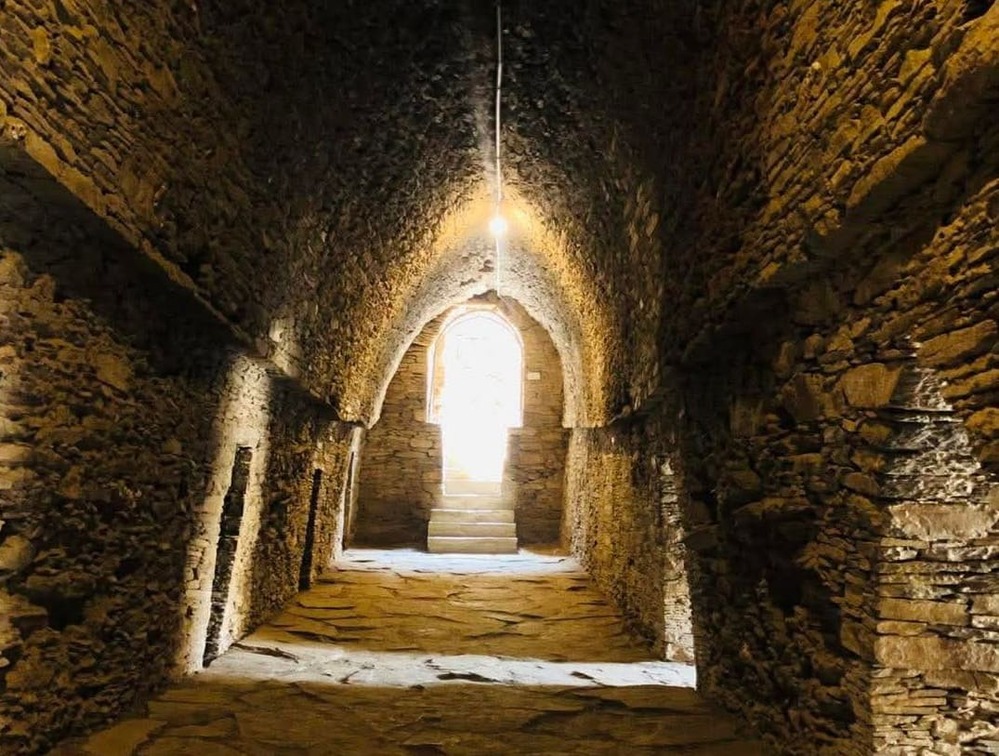
Takht-i-Bahi monastery — main court of the Buddhist monastic complex on the hilltop
UNESCO · 1980
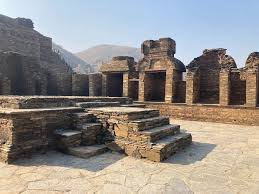
Takht-i-Bahi stupa court — remains of votive stupas surrounding the main stupa
Takht-i-Bahi meditation cells — monks' quarters carved into the hillside
Takht-i-Bahi stupa court — remains of votive stupas surrounding the main stupa
Takht-i-Bahi meditation cells — monks' quarters carved into the hillside
UNESCO World Heritage Site

Takht-i-Bahi

South Asia's Best-Preserved Buddhist Monastery · 1st–7th CE

Takht-i-Bahi — Throne of Origins — is the best-preserved Buddhist monastery in South Asia. Perched on a 152m hilltop in KPK, it was continuously occupied for over 500 years and escaped the destruction that levelled most Gandhara sites. The stupa courts, meditation cells, and assembly halls remain largely intact.

Period1st century BCE – 7th century CE
UNESCO Listed1980 · Buddhist Ruins
LocationMardan District, KPK
Altitude152 metres above surrounding plain
UNESCO Heritage Gandhara Buddhist Best Preserved in Asia

Visitor Information

Best Season
October – April
Recommended Days
Half day to full day
Physical Demand
Moderate climb (15 min)
Entry Fee
PKR 300 foreigners
Book Gandhara Trail

All Major
Heritage Sites

SiteEraProvincePeriodStatus
Taxila (Sirkap, Jaulian, Dharmarajika)Gandhara BuddhistPunjab600 BCE – 500 CEUNESCO 1980
Mohenjo-daroIndus ValleySindh2500 – 1900 BCEUNESCO 1980
Fort & Shalamar Gardens, LahoreMughalPunjab1566 CE onwardsUNESCO 1981
Rohtas FortMedievalPunjab1541 CEUNESCO 1997
Takht-i-Bahi & Sahr-i-BahlolGandhara BuddhistKPK1st BCE – 7th CEUNESCO 1980
Historical Monuments at Makli, ThattaMedieval IslamicSindh14th – 18th CEUNESCO 1981
HarappaIndus ValleyPunjab2600 – 1900 BCEProvincial
Baltit Fort, HunzaMedievalGilgit-Baltistan900 CE – 1945Provincial
MehrgarhPre-HistoricBalochistan7000 – 2500 BCEProvincial
Ranikot FortMedievalSindh9th century CEProvincial
Chilas Rock ArtPre-HistoricGilgit-Baltistan6000 BCE – 1000 CEProvincial
Kot Diji FortIndus ValleySindh2800 BCEProvincial